Hey there! In the Hedgefield Quarterly Review I look back at the work I did in the past three months, both as a diary for myself and a way to consistently update you on what I’m up to. I talk project details, achievements, and the highs and lows of self-employment. Come follow along!
You can find older entries here.
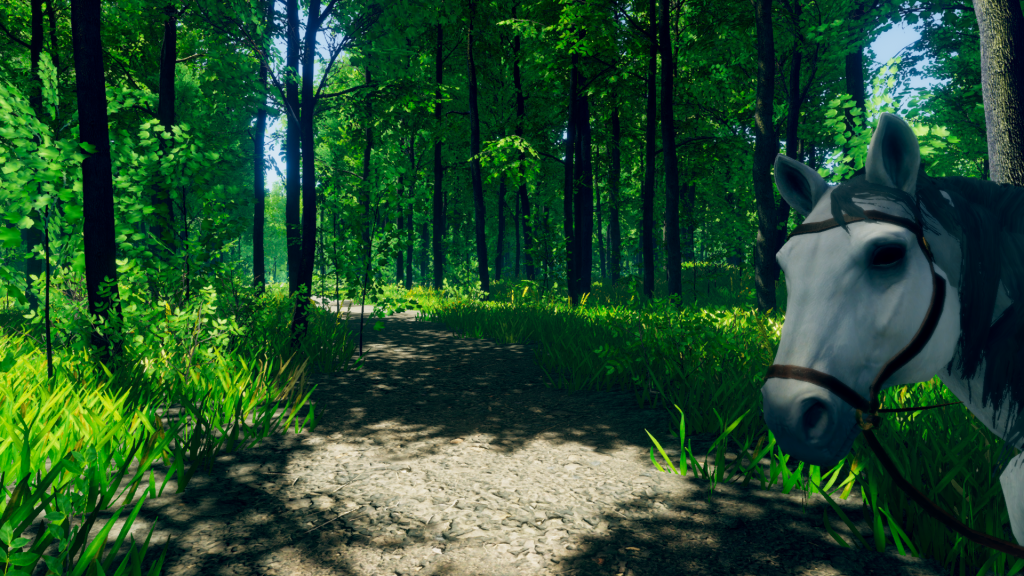
The first quarter of 2021 sure was a wild one! I started off by releasing a small game called WanderWoods….
It’s a celebration of all the chill forest walks I’ve been on since the pandemic started. And in turn it made the walks more fun, because each time I’d spot something new that I wanted to add to the game.
I used procedural generation with a few rulesets to generate the forest, but it’s real difficult to fully approximate the wild and random growth of nature with just that. So I’m looking forward to using an upcoming plugin that lets me hand paint details into the procedural environment. Until then I think I have to call this thing finished.
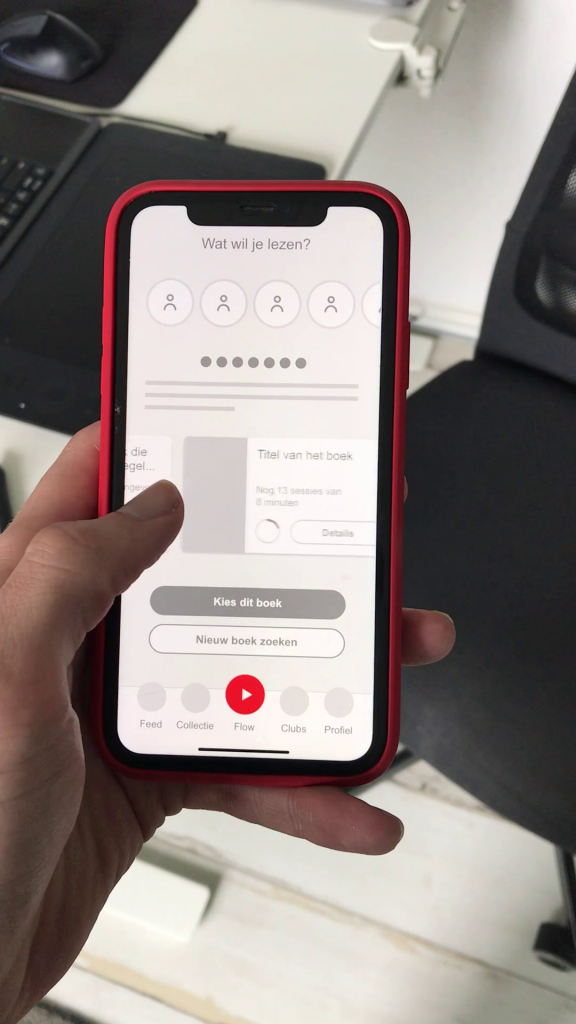
This year I’m also continuing work on the Immer app. The first version of this reading app my friends are making is live in the dutch App Store, and now we’re looking to the future. I’ve been prototyping some new features and a bunch of UI interactions while the others focus on the next round of investments, so that hopefully next quarter we can go full steam on the next update.
In the meantime I was also asked to be a WordPress release lead for version 5.7. This meant I had to wrangle all the design issues planned for this release and make sure they all got the attention they needed in a timely manner. I’ve been part of the WordPress design team for a few years now but I’d never been actively involved in a release cycle. Luckily 5.7 was a relatively small release so it was a nice opportunity to dip my toe in. I wrote about my experiences on the Yoast blog and I wrote a guide in the WordPress Handbook for others wanting to try the same thing.
Then something started happening. Different ideas and plans and opportunities came together in a way that I had to take notice.
It started with something completely unrelated. I was walking my dogs in the town I grew up in when I ran into an older man. He also had a dog, which usually means: make some awkward smalltalk while our dogs sniff eachother. But his first question caught me off-guard:
“Are you from around here?”, he asked with earnest interest. Probably because he seemed to know just about everybody in the town center, which I noticed during the next half hour that we stood there talking. I explained that I was originally from here but had moved away long ago. He, on the other hand, had just moved back here after ten years in Spain, and now runs his own translation company from his monumental house in the town center. We proceeded to discuss travel, careers, and our life stories.
He asked me “would you ever want to go back to doing your own thing?” “Sure,” I replied, “I mean I make a good living now with decent assignments, but…” and he nodded in agreement, getting what I was referring to; “Yeah, that desire never leaves you, huh.” I felt understood.
Some weeks later I came across an online course about gamedev that wasn’t only about making a game – I feel like I’ve got a pretty good handle on that now – but also about the business and marketing aspects, things I generally shy away from. I do fine releasing small games on itch, but I came up with several projects over the years that got too big for me to execute alone, or in my free time only. And of course the prestige of having a game up on Steam sounds pretty good.
Anyway, I dug into that course and found myself getting excited again about the possibilities. I drafted a list of the prototypes I have worked on in the last few years and together with some dev friends judged which one was the most viable. Out of that came a pretty cool and wild idea that I want to seriously develop and think could be a hit. Everyone I talk to about it gets excited too, so I feel like this is the time to act on it.
As a sort of self-affirmation I finally added my company to the Dutch Game Industry Directory, and registered a Steam developer account. That felt pretty good.
Now to work on the project pitch… more on that next time.